Solar Wireless Traffic Light Control System:Revolutionizing Road Safety In The Age Of Smart Transportation
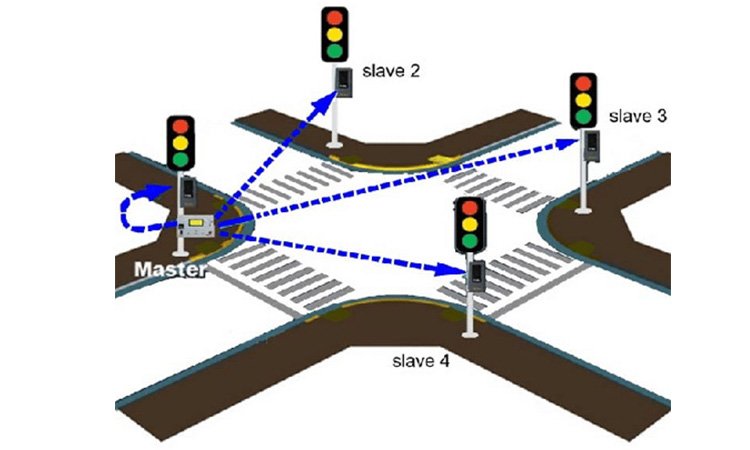
A solar wireless traffic signal system combines local power generation with communication between compatible control units. Solar power and wireless communication solve different parts of the project; both must be checked against the site conditions.
Generate energy
The panel yield depends on exposure and site conditions.
Store energy
Size battery reserve for the required service conditions.
Supply the load
Add all equipment loads; radio communication is a separate design check.
Solar power: size for the actual operating demand
The panel supplies energy and the battery stores it for periods without sufficient sunlight. The design needs the equipment load, operating schedule, local solar conditions, shading, temperature and the required reserve.
Confirm the proposed panel, battery and charging equipment together. A generic claim of continuous operation cannot replace a site-specific power assessment or a maintenance plan.
Wireless communication: verify the link and fault response
Wireless links can reduce some interconnecting cable work, but they do not remove the need for foundations, mounting arrangements or local electrical connections.
Confirm coverage, obstacles, interference, link supervision and the response to loss of communication. The controller configuration must prevent incompatible movements according to the approved signal plan; radio communication alone does not establish this behaviour.
From a site plan to a supply proposal
Identify the movements to control, pedestrian crossings, installation positions and available power. Ask the supplier to state the exact equipment configuration, documentation and support included.
Compare what each proposal includes: signal equipment, controller, panels, batteries, mounting components, site works and commissioning. The division of responsibilities should be clear before ordering.
Information to send with your enquiry
| Topic | Details to confirm |
|---|---|
| Power demand | Equipment list and daily operating schedule |
| Site exposure | Location, shading and installation positions |
| Radio link | Distances, obstacles and required fault response |
| Supply boundary | Signals, controls, solar equipment, poles and site works |
Installation and equipment illustrations